
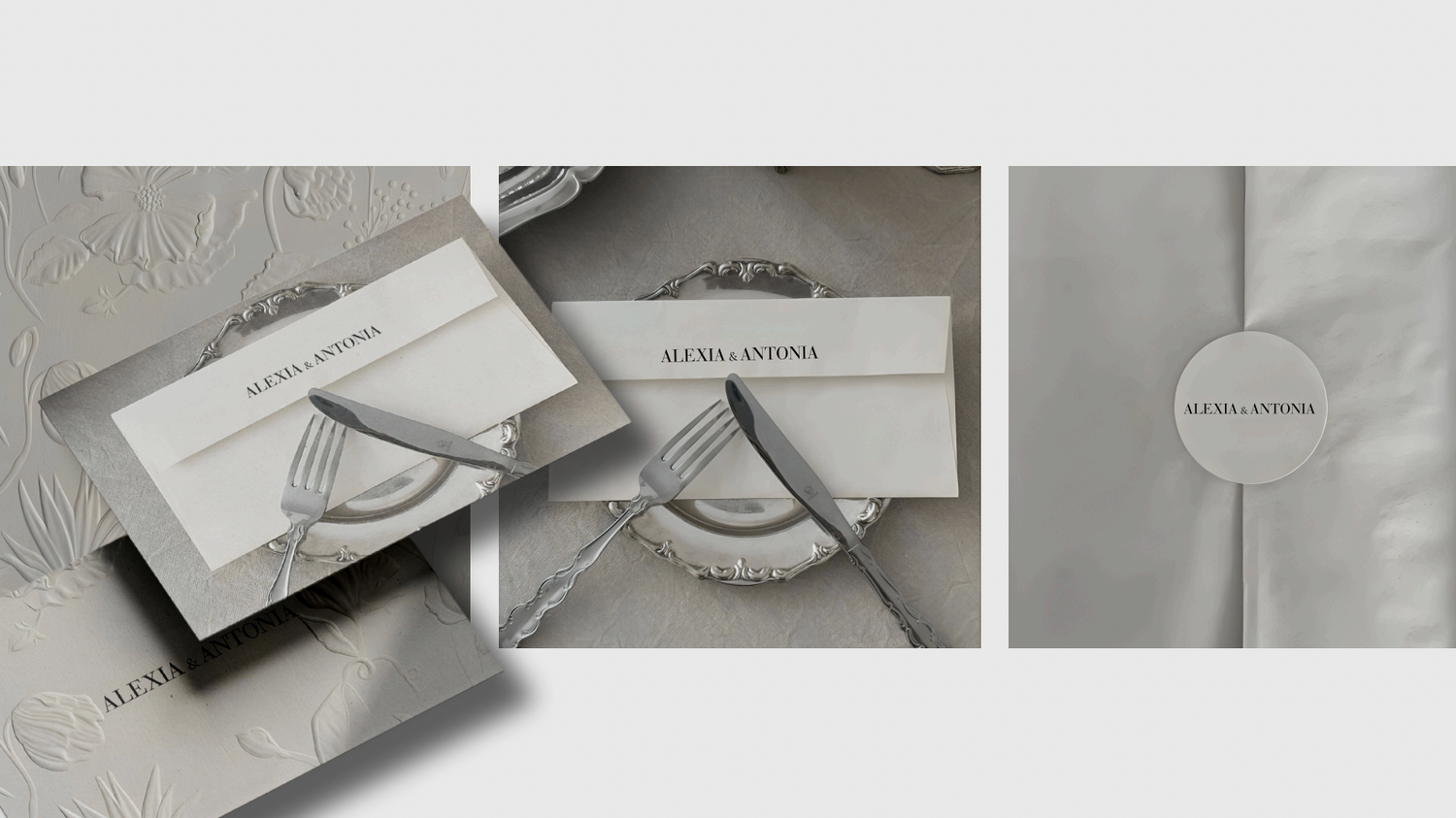
Branding from scratch means clearly defining an identity, not collecting visual elements. A well-constructed brand starts with structure, not with form. It is the result of deliberate, consistent and coherent decisions.
The branding process from scratch involves more than design. It involves positioning, language, direction, and proper implementation across all touchpoints.
Stage 1: Strategy
Strategy is the foundation of any brand. At this stage, the essential directions that will guide all further decisions are established.
Brand strategy clarifies:
- market positioning,
- the target audience,
- the competitive context,
- values and communication principles,
- real differentiators.
Without a clear strategy, branding becomes fragmented and difficult to sustain over time.
Stage 2: Naming
Naming is the first visible decision of a brand. A good name is not chosen at random and does not rely solely on inspiration.
An effective brand name:
- is distinctive and easy to recognize,
- is relevant to the field of activity,
- is easy to pronounce and remember,
- can be legally protected and used online.
Naming is part of branding from scratch and should be treated as a strategic process, not as an isolated creative exercise.
Stage 3: Logo and Visual Identity
Visual identity translates strategy into form. It’s not about aesthetics, but about visual coherence and clarity.
Visual identity includes:
- the logo and its variations,
- color palette,
- typography,
- usage rules and applications.
All these elements must work consistently across digital, print, social media, and any other relevant environment for the brand.
Stage 4: Brand Message
Branding from scratch involves clearly defining how the brand communicates. The message is just as important as the visual identity.
This stage defines:
- tone of voice,
- brand promise,
- key messages,
- language used in communication.
A coherent message helps the brand to be recognized and understood, regardless of the communication channel.
Stage 5: Implementation
The final stage is applying the brand in reality. Without proper implementation, branding remains a theoretical exercise.
Implementation includes:
- adapting identity into visual materials,
- applying messages on website and in communication,
- aligning all brand touchpoints,
- ensuring long-term consistency.
A functional brand is one that is applied correctly — not just defined.
Branding from Scratch with GRÉGOIRE
Branding from scratch requires structure, clarity and deliberate decisions. Discover GRÉGOIRE's projects on the branding services page
